September 8, 2026
Vehicle trouble can happen with little warning, leaving drivers unsure whether they should continue driving, attempt a temporary fix, or request professional help. In many situations, calling a tow truck is the safest way to move a disabled or damaged vehicle without creating additional problems. Towing services assist with breakdowns, collisions, vehicle recovery, impoundment, and specialty transportation. According to Precision Reports, the global tow truck market is estimated to reach $6,779.69 million in 2026, reflecting the substantial demand for towing and vehicle recovery solutions worldwide. Knowing when professional assistance is appropriate can reduce stress, protect the vehicle, and help keep surrounding traffic moving safely.
1. Responding to a Vehicle Breakdown
A mechanical breakdown is one of the most common reasons drivers need towing assistance. Engine failure can occur because of overheating, lubrication problems, worn components, neglected maintenance, or an unexpected malfunction. Warning lights, smoke, unusual noises, loss of power, or a sudden shutdown may indicate that continuing to drive could cause greater damage. When a vehicle cannot operate reliably, a tow truck can transport it to a repair facility without forcing the driver to risk additional engine damage.
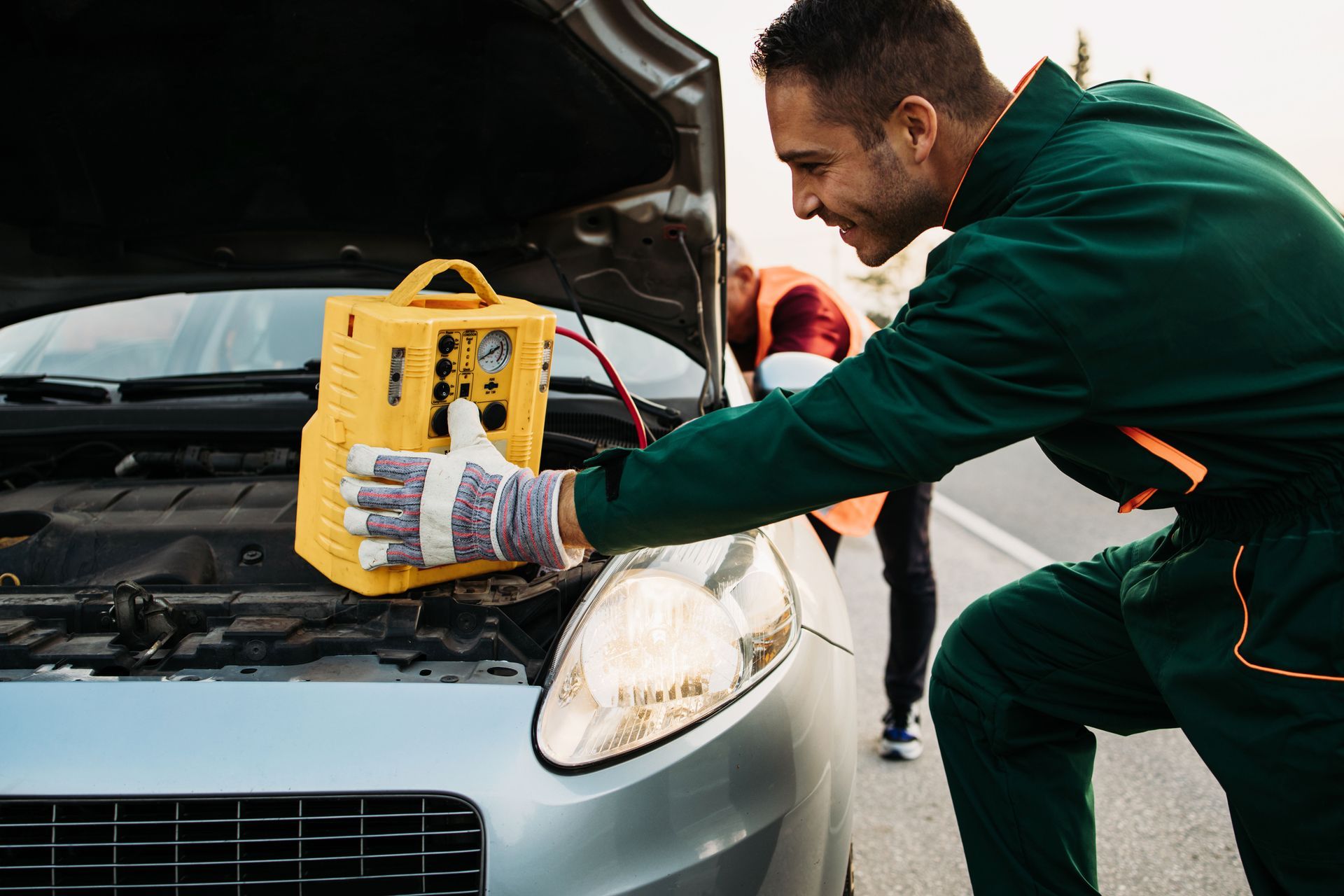
Transmission problems can also make a vehicle unsafe or impossible to drive. Slipping gears, delayed engagement, grinding sounds, fluid leaks, or an inability to shift properly may signal a serious issue. Electrical failures involving the battery, alternator, starter, or wiring can create similar problems. Although a jump-start may solve a simple battery issue, repeated stalling or complete electrical failure may require transportation to a qualified repair shop. Recognizing these warning signs early can help drivers avoid becoming stranded in a more dangerous location.
2. Managing Accidents and Collision Damage
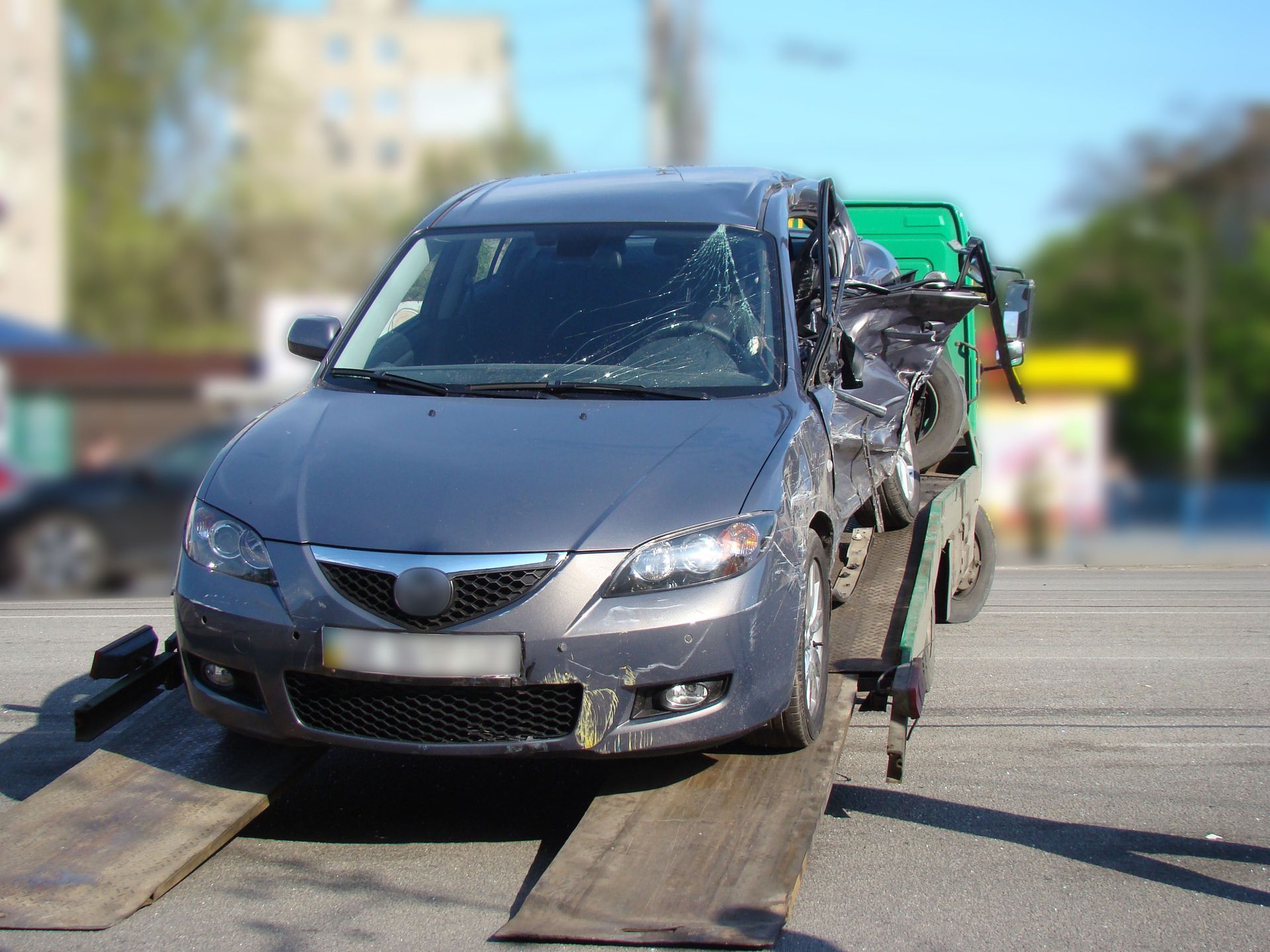
Collisions frequently leave vehicles with damage that makes normal driving dangerous. Bent suspension components, leaking fluids, damaged wheels, broken lights, deployed airbags, or compromised steering can prevent a vehicle from being operated safely even when the engine still runs. After a serious accident, a tow truck can remove the damaged vehicle from the scene and take it to a repair facility, storage yard, or other authorized location. Professional removal also helps clear travel lanes for emergency responders and other motorists.
Multi-vehicle accidents can require coordinated towing because several damaged cars may block lanes or interfere with emergency access. Operators may need specialized equipment to move vehicles that are overturned or positioned in difficult locations. Even after a relatively minor collision, visible damage may not reveal every problem. If steering feels different, fluids are leaking, warning lights remain illuminated, or an airbag has deployed, having the vehicle transported for inspection can be safer than driving away. A professional inspection can identify hidden mechanical or structural damage before the vehicle returns to the road.
3. Recovering Vehicles From Mud, Sand, and Snow
Vehicles can become immobilized when tires lose traction in mud, loose sand, deep snow, or other unstable surfaces. Repeatedly accelerating may cause the tires to dig deeper, overheat the transmission, or damage surrounding components. A tow truck equipped for recovery can use winches, cables, or other equipment to pull the vehicle onto a stable surface. Professional recovery is especially useful near ditches, embankments, flooded areas, or other locations where improper movement could create additional hazards.
Weather can quickly turn an ordinary road into a difficult driving environment. Heavy snowfall, ice, saturated soil, and flooding can leave vehicles stranded even when drivers exercise caution. Recovery operators assess the vehicle’s position and surrounding terrain before beginning the extraction. Drivers should avoid standing near tensioned recovery lines and follow the operator’s instructions throughout the process. Careful recovery procedures can protect the tires, suspension, drivetrain, and body from damage that might result from aggressive attempts to escape.
4. Handling Flat Tires and Wheel Damage
A flat tire does not always require towing, but certain situations make professional transportation the safer choice. A driver may lack a usable spare tire, have damaged wheel studs, encounter a seized lug nut, or experience sidewall damage that cannot be temporarily repaired. Some modern vehicles include repair kits instead of spare tires, and those kits may not work for large punctures or blowouts. If the vehicle cannot be driven safely to a tire shop, a tow truck can move it without placing additional load on the damaged wheel.
Wheel and suspension damage also deserves caution. Hitting a pothole, curb, or road debris can bend a rim, damage a control arm, or disrupt steering alignment. Continuing to drive in these circumstances can affect the brake system, axle, suspension, or bodywork. Transportation to a repair facility gives technicians an opportunity to inspect the affected components before the vehicle returns to normal road use. Drivers should also pay attention to vibration, pulling, scraping noises, and unusual steering behavior after a hard impact.
5. Addressing Fuel and Lockout Problems
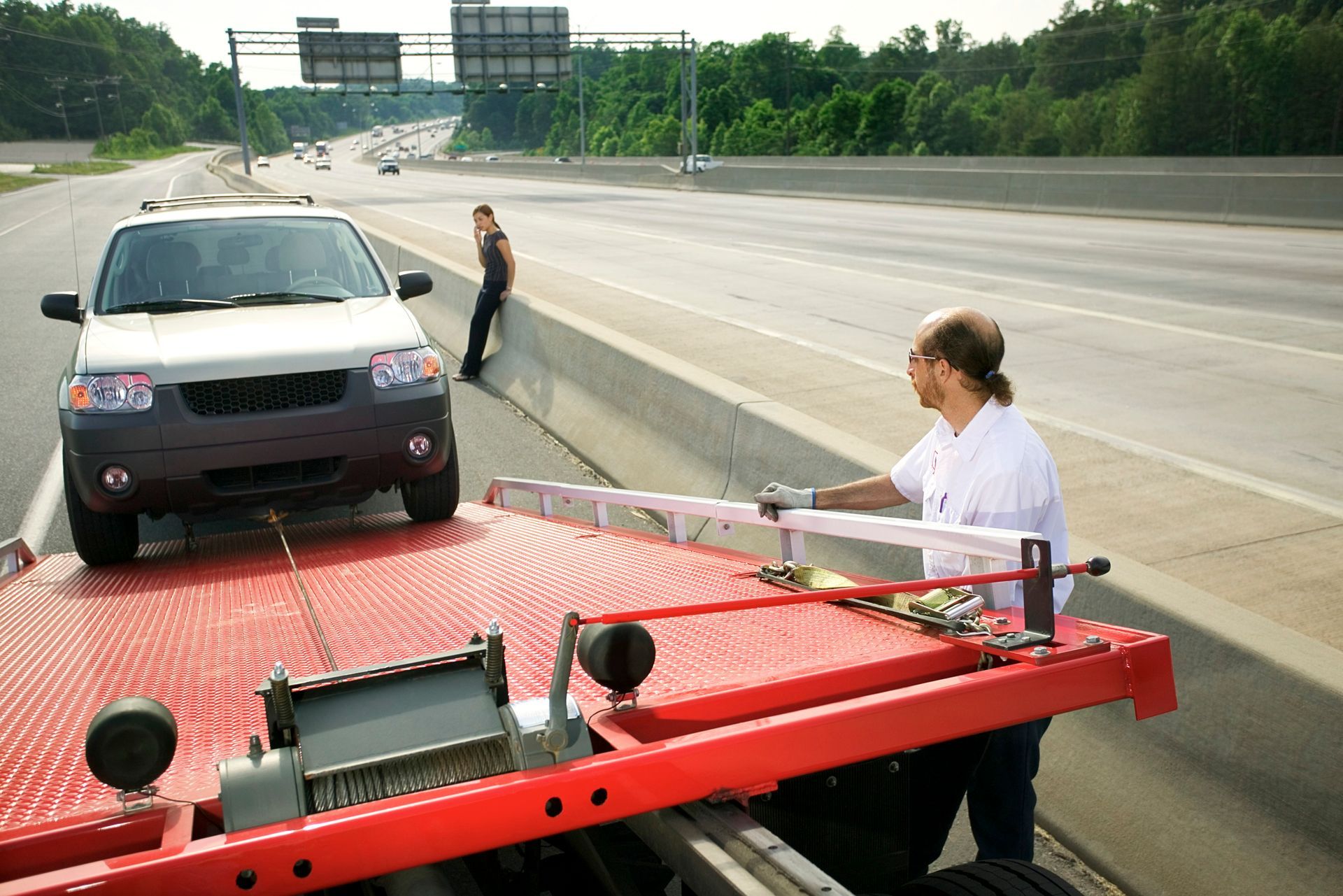
Running out of fuel is inconvenient, but the appropriate response depends on location and available roadside services. In some areas, a provider can deliver enough fuel to reach a nearby station. In other circumstances, especially on limited-access roads or in remote locations, towing may be necessary. Drivers should move as far from active traffic as safely possible, activate hazard lights, and remain aware of surrounding conditions while waiting for assistance.
Lockouts can create a similar need for roadside help, although towing is usually unnecessary when a technician can unlock the vehicle safely. However, damaged locks, malfunctioning electronic systems, or lost keys combined with mechanical problems may prevent normal operation. When the vehicle cannot be secured, started, or moved after access is restored, transportation may be needed. Having roadside assistance information stored in a phone and written somewhere inside a wallet or emergency kit can make these situations easier to manage.
6. Managing Impoundment and Unauthorized Parking
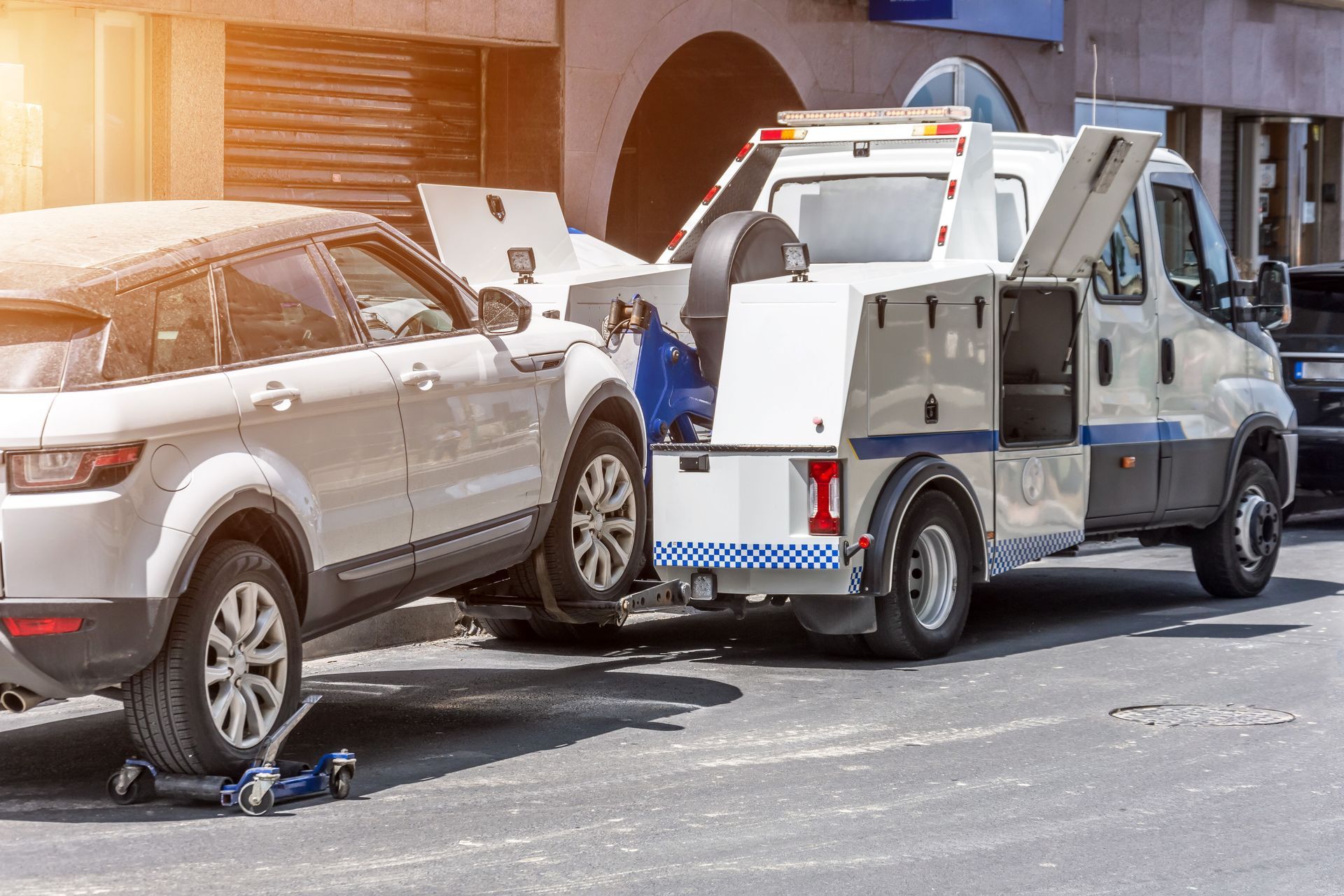
Vehicle removal is also used when parking rules, property restrictions, or legal requirements call for a car to be relocated. Municipal authorities may order towing for vehicles that block traffic, occupy restricted areas, or create safety concerns. Private property owners may also use authorized towing procedures for improperly parked or abandoned vehicles, subject to local laws. A tow truck operator performing an impound generally transports the vehicle to a designated storage facility where the owner can learn about retrieval requirements.
Repossessions, court orders, expired registrations, or other legal circumstances can also involve vehicle removal. Because requirements vary by jurisdiction, towing companies and property managers must follow applicable notice, authorization, and storage procedures. Drivers seeking to recover an impounded vehicle may need identification, proof of ownership, payment of authorized fees, or other required documentation. Understanding local requirements beforehand may help vehicle owners resolve an impoundment more efficiently.
7. Transporting Specialty and Non-Operational Vehicles
Not every towing request begins with an emergency. Classic cars, motorcycles, project vehicles, race cars, and other specialty vehicles may need transportation between homes, repair shops, storage facilities, shows, or restoration businesses. These vehicles can require additional care because of low ground clearance, unusual dimensions, delicate finishes, or high-value components. Appropriate platforms and securement equipment help limit unnecessary movement during loading and transportation.
Flatbed transportation is often useful when a vehicle should remain completely off the road during transit. This method may be selected for all-wheel-drive vehicles, severely damaged cars, low-clearance models, or vehicles with drivetrain problems. Motorcycles require secure anchoring to prevent tipping, while vintage vehicles may need careful loading angles to protect body panels and undercarriage components. Selecting equipment suited to the vehicle can reduce the possibility of scratches, mechanical stress, or other transportation-related damage.
Knowing when to call a tow truck gives drivers a practical response when a roadside problem exceeds what can be safely handled on the spot. Instead of risking further damage or remaining in an unsafe location, professional towing provides a controlled way to move the vehicle to a repair shop, storage facility, or other destination. With basic preparation and an understanding of common towing situations, drivers can respond more confidently when unexpected vehicle trouble disrupts the road ahead. Contact our team at Pace Towing, LLC today and learn more about our towing services.